


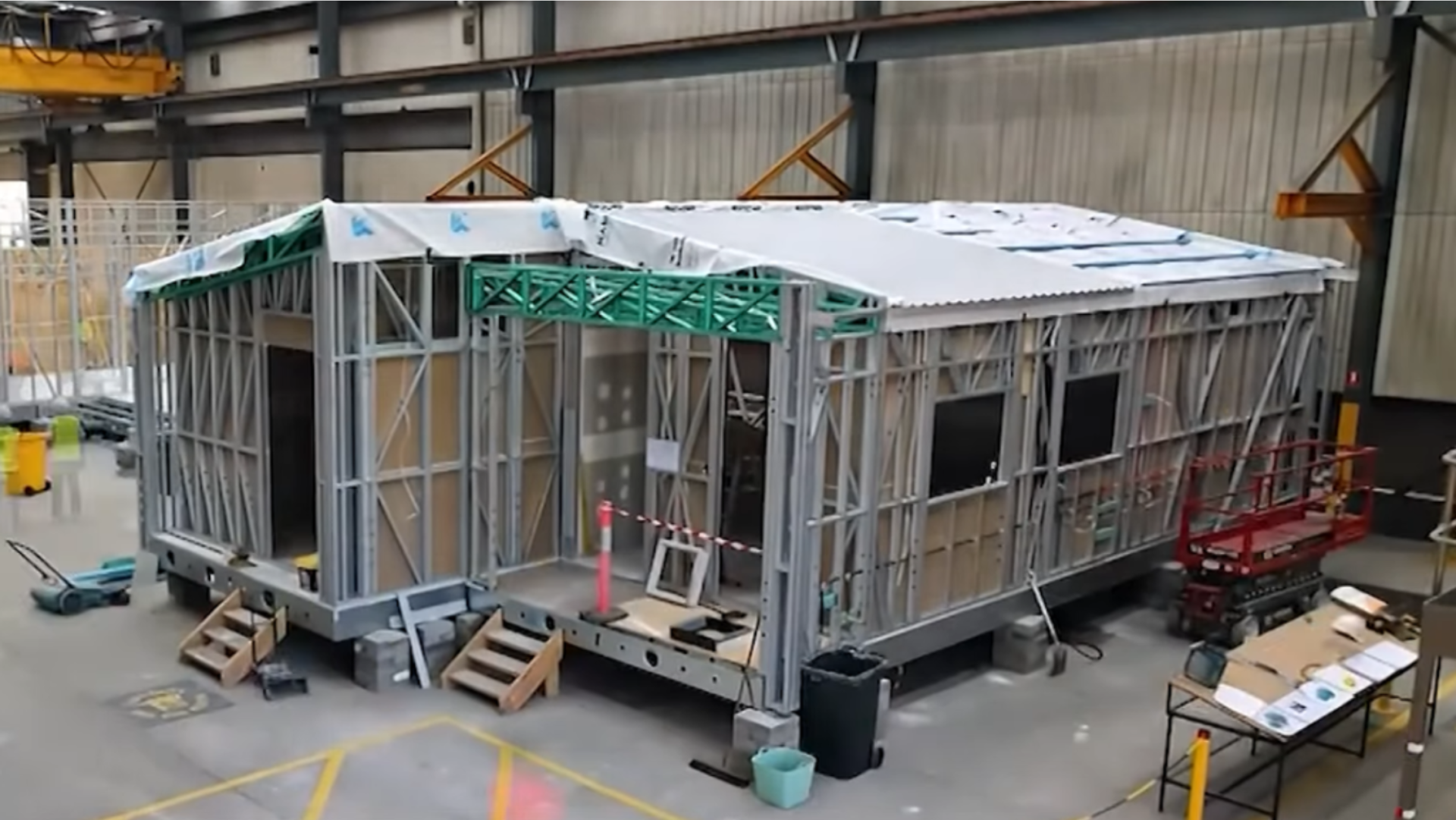
A recent 7NEWS report highlights that modular or kit-style housing — homes built from prefabricated modules and assembled quickly — may play a pivotal role in addressing Australia’s housing shortage, as traditional supply is unable to keep up with demand.
Key Takeaways:
- Modular/kit homes can significantly accelerate build times, enabling faster delivery of new housing stock.
- With acute supply pressures, the shift to modular construction presents an opening for developers and material suppliers to meet urgent demand.
- For material suppliers and housing providers, the opportunity lies in delivering kit-compatible products (e.g., structural panels, modular frames, prefabricated components) and rapid-build housing solutions.
Implications for the Building Materials & Housing Supply Sector:
- Suppliers should consider expanding into modular-friendly materials and systems (prefab panels, lightweight structures, standardized modules) to tap into the growing demand.
- Housing providers stand to benefit from shorter build times, faster project turnover, and increased capacity to supply homes — thus boosting profitability and responsiveness to market needs.
- By enabling faster housing delivery, the modular market will stimulate demand for materials, installation services, logistics and integrated supply chains, giving material and component suppliers an early mover advantage.
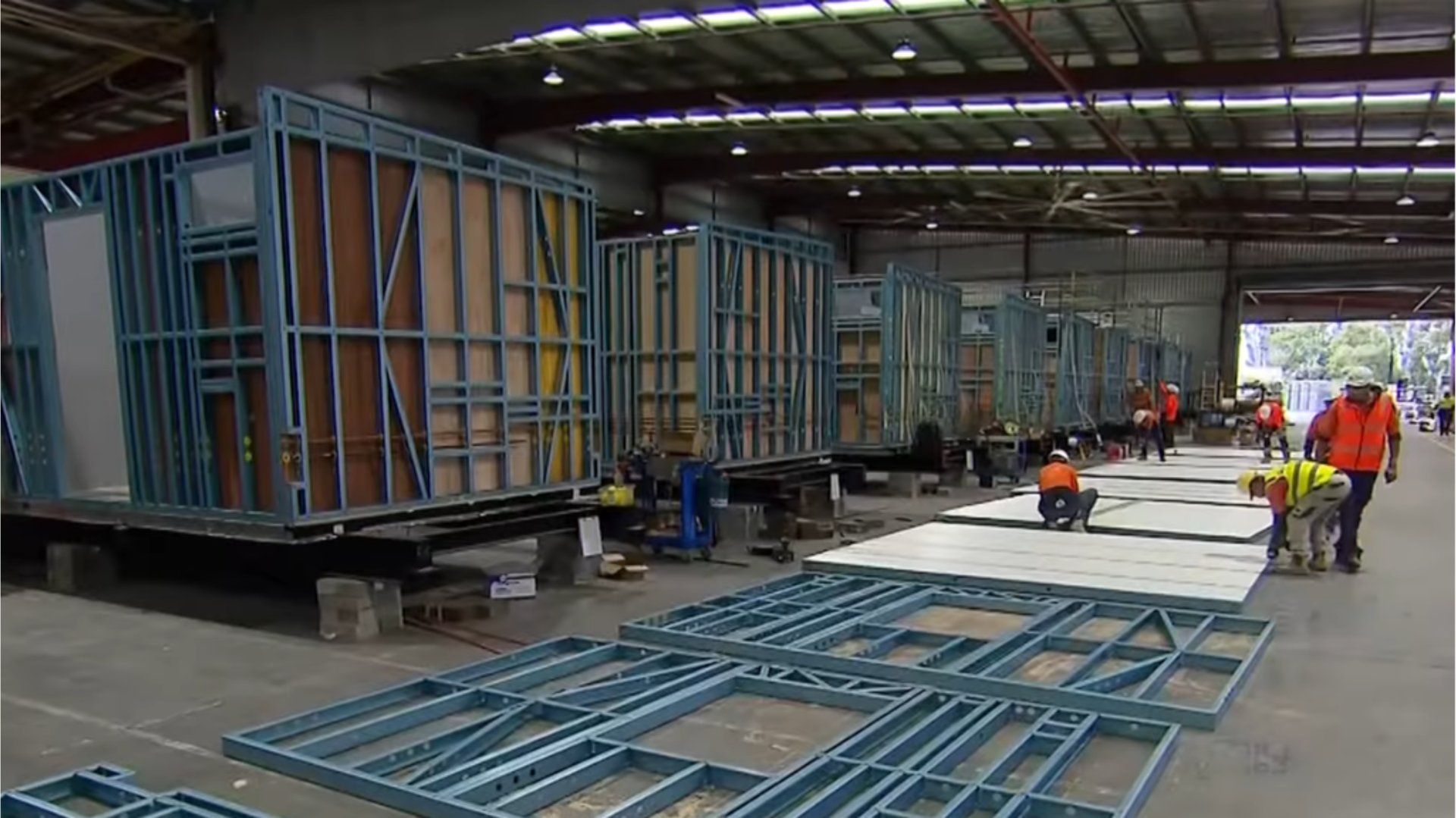
A boom in prefabricated housing is coming in 2026.
Credit: 7NEWS
Lego-style, modular homes are emerging as a key trend in closing Australia’s housing supply gap. For building-material suppliers and housing providers, this is the time to pivot, scale up production and align with the supply-chain changes that the market is demanding.
See detailed information at: https://7news.com.au/news/7news-the-issue-podcast-how-100k-homes-assembled-like-lego-could-solve-australias-housing-crisis-c-20761950